


Through Certified Bookkeeper vertical percentage analysis, you can also forecast future financial performance. Understanding the relationship between https://www.k-kamei.co.jp/2023/08/08/automated-invoice-processing-in-the-bank-credit/ different line items within the financial statements can provide FP&A professionals to make assumptions about the future composition and allocate resources accordingly. Vertical analysis is said to get its name from the up and down motion of your eyes as you scan the common-size financial statements during the analysis process. Most often, vertical analysis is used by management to find changes or variations in financial statement items of importance like individual asset accounts or asset groups.
How to Do Vertical Analysis of a Balance Sheet
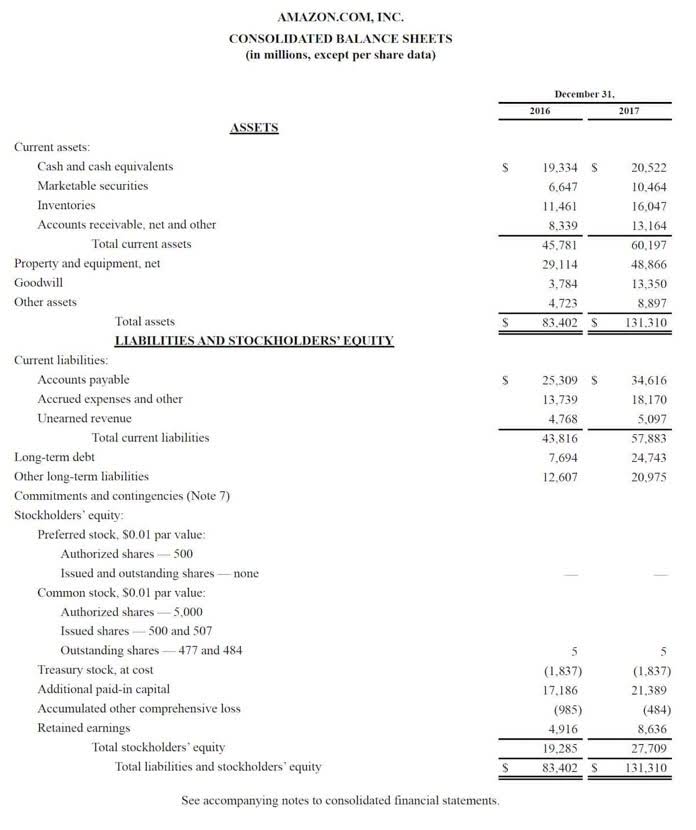
This article will guide you step-by-step on how to perform a vertical analysis of a balance sheet directly in Excel, transforming rows of numbers into meaningful insights. For income statements, every line item becomes a percentage of total revenue. For balance sheets, each item is expressed as a percentage of total assets. This approach immediately reveals the relative importance of different components and makes comparisons more meaningful. Vertical analysis solves this by converting every line item into a percentage of total assets. This creates a common size balance sheet where you can compare financial structures regardless of company size.
- Vertical analysis enables trend analysis as it converts financial statement line items into percentages of a base figure.
- These benchmarks will provide valuable insights into the application of vertical analysis within your specific industry.
- A high percentage of `Debt` relative to `Equity` indicates high leverage, which can mean higher risk but also potentially higher returns for shareholders.
- This trend may warrant further investigation into potential cost-saving measures or pricing strategies to maintain profitability.
- By conducting a vertical analysis, you can identify trends and interpret the results to make informed decisions for your business.
Example 4: Expense Analysis in Income Statement
- The first step of vertical analysis is to make a new income statement, such as the common size income statement stated below.
- In this example of vertical analysis, you can see that you only need to use balance sheet items from a single accounting period.
- We can discern through vertical analysis that the main problem area vis-à-vis the decline in net income in year 3 is the cost of goods sold.
- Ensuring consistent use of the same baseline figure over time is crucial for precise trend analysis and effective performance monitoring.
- By breaking down financial data in this way, creators can gain a deeper understanding of their profitability and financial health.
- By following these steps, Excel and a calculator, you can effectively perform vertical analysis, gaining deeper insights into financial documents.
- Standardizing financial statements as percentages through vertical analysis helps make comparisons regardless of absolute size differences.
Analyzing and interpreting these results will empower you to make informed decisions that drive growth and success. So join us on this journey of discovering the power of vertical analysis – an essential tool for any detail-oriented business owner seeking belonging within their industry. Vertical analysis can be particularly helpful if looking to determine cash and accounts receivable balances over several vertical analysis accounting periods. To complete a vertical analysis for your balance sheet, you’ll need to perform this calculation for each line item that is currently listed on your balance sheet.
What is a Normal Balance in Accounting?

This percentage can be used to compare both balance sheet and income statementperformance within the company. Much like ratio analysis, vertical analysis allows financial information of a small company to be compared with that of a large company. The common size percentage can also be used to compare different companies within the same industry or companies that use different currencies. On the income statement, ACME shows costs and revenues as a percentage of total revenue. If their quarterly revenue is $10 million and COGS is $5 million, that means COGS makes up 50% of their revenue.


For example, expressing revenue as 100% and cost of goods sold as a percentage of revenue shows its trend over time. COGS was 60% of revenue in 2020, 55% in 2023, and 59% in 2022, You can see https://www.bookstime.com/ it dropped but then started rising again as a percent of revenue. The vertical analysis formula allows you to evaluate the proportional size of a specific financial statement component compared to a base figure.


